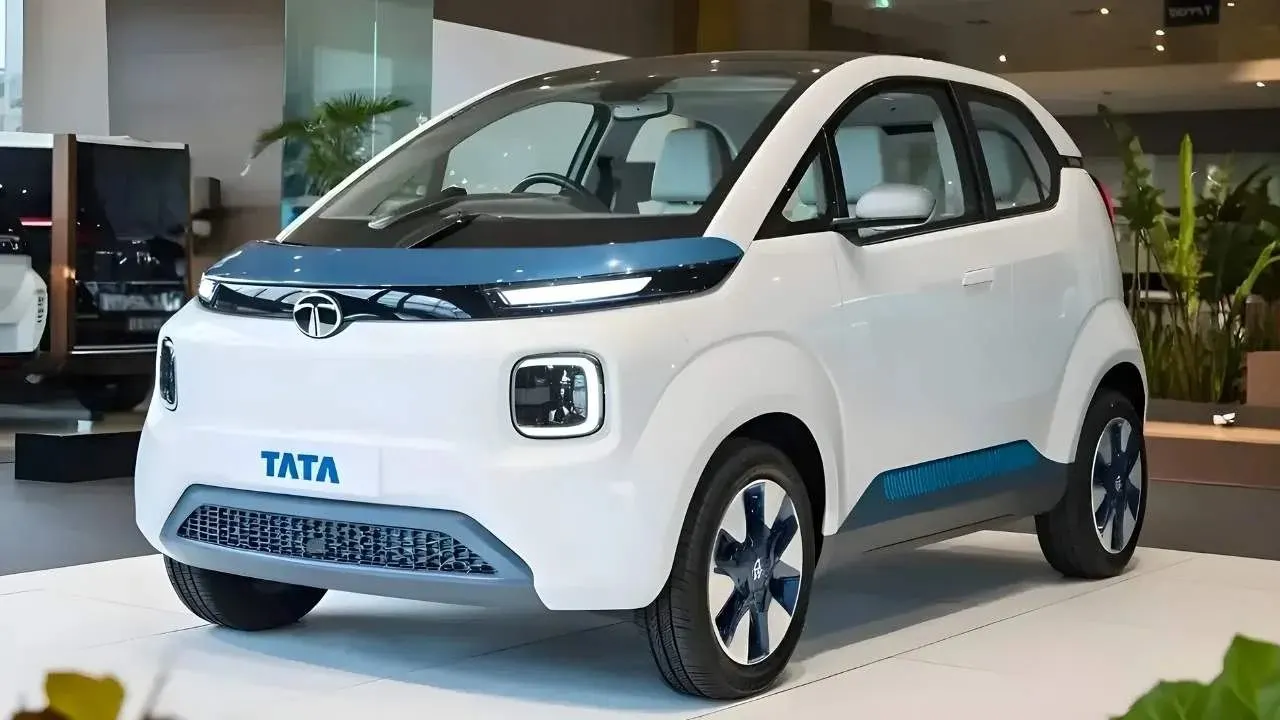
Indian automobile industry is rapidly shifting towards electric mobility, and every year we get to see fresh and exciting electric vehicles in the market. Among all these, the Tata Nano EV 2026 will be one of the most anticipated small electric sel car. Boasting a claimed 400KM range, a 48kWh battery, fast charging, a smart touchscreen and compact design, this soon to be released EV is set to redefine affordable electric driving for the ‘common man.
Tata Nano was also known as “people’s car” for many years because of its affordability and minimalistic design. And now on that point, with the electric model, the brand wants to recycle that same idea in a current and green way. Nano EV 2026 developed under the Tata Motors vision to provide low running cost, easy maintenance and practical features in day to day use will find Takano the suitable choice for India and other developing markets.
Exterior look & design of Tata Nano EV 2026
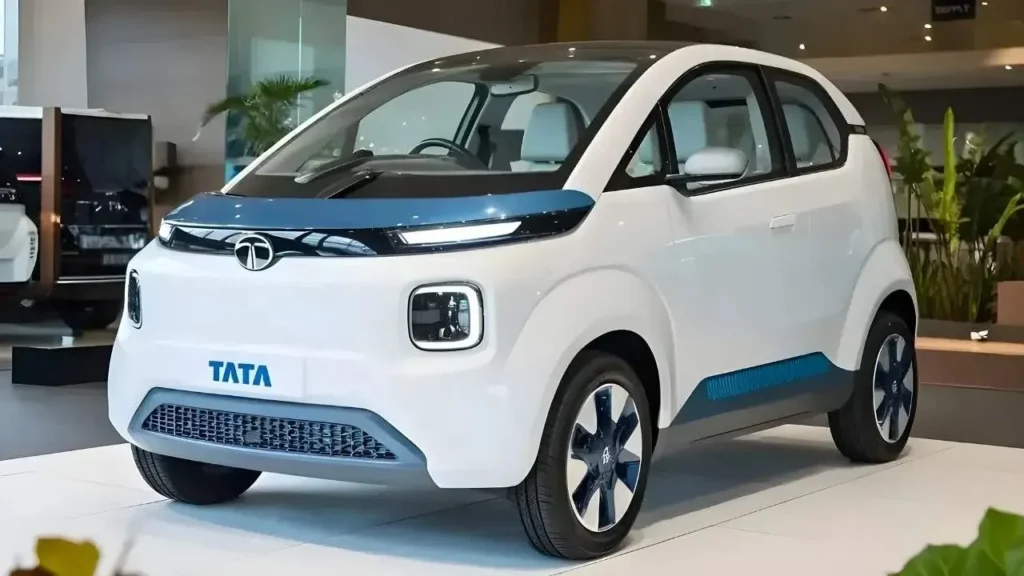
Tata Nano EV 2026/27 With these sketchy spy shots being out on the Internet, it seems that the Tata Nano EV will offer an all-new, futuristic design. It will be a tiny vehicle, easy to maneuver and park in packed city roads. Its body is more rounded off, featuring smooth curves, more aerodynamic lines, and a better fuel efficiency will be underpinned.
At the front, the electric Nano could sport a closed off grille design, which is now a staple in electric vehicles, bundled with LED headlights and daytime running lights. The bumper treatment is said to inspire a sportier look than the previous model, elevating the car’s overall appearance towards the premium side. On the flank, higher variants could get body-colored door handles and alloy wheels.
The rear section may feature a redesigned tailgate, LED tail lamps and this will add more modernity to the silhouette of the car. The overall Tata Nano EV 2026 design will be simple, practical and urban-friendly in a way that it will appeal to youngsters and smaller families.
Battery Capacity and 400KM Driving Range
One of the biggest highlights of Tata Nano EV 2026 is its 48kWh lithium-ion battery pack. This battery size is quite a large for a compact electric car, indicates Tata wants to emphasize on good range for the users.
With this unit, the Nano EV is anticipated to have a driving distance of over 400 kilometers (approx.) on a full charge. And if there is anything that you just can’t get through your head, now take a look at range for daily use, such as city drives, office commute, and even short highway drives. Such a range translates into charge intervals of once a week or twice a week for most users, depending on their usage pattern.
I would guess with the battery system also including some kind of active thermal management to regulate the temperature of the cells and extend battery life. This will enable the car to have optimum performance under different climatic conditions and prevents from getting overheated. Customers will have long battery life and stable performance to believe this electric vehicle.
Performance and Driving Experience
The Tata Nano EV 2026 is anticipated to feature a small yet powerful electric motor that provides a smooth and silent drive. Electric motors deliver torque instantly, so the car can roll forward without delay in city traffic.The electric Nano is being developed to deliver a comfortable and relaxed driving experience rather than a high speed one.
It can deliver sufficient power for day-to-day needs such as overtaking slow-moving vehicles and driving on flyovers. The top speed could be limited, like safety and better battery efficiency.The suspension should be better than the old nano. It will be helpful in dealing with bad roads, speed breakers and potholes more. The steering system could be light and refined,which will be good for new or old drivers.
Charging options and fast charging.
Charging is one of the most crucial aspects of any electric vehicle and Tata Nano EV 2026 is anticipated to deliver on this front. The vehicle is expected to be equipped with a fast charging technology, which will enable users to charge the battery to 80 percent in 45 to 60 minutes through a DC fast charger.
Standard AC charging is probable for the Nano EV for home users. With a regular home charger, full charging of the car takes about 6 to 8 hours. This makes overnight-charging easy and convenient for everyone.The vehicle may also include smart charging functions such as timed charging and charging status via a mobile application. They enable users to better manage their electricity consumption and minimize charging costs.
Interior Design and Smart Touchscreen System
In the Tata Nano EV 2026, the buyer will get a clean yet contemporary cabin style. Comfort, practicality and digital features are the orders of the day. The dashboard might have a simple design with some areas lined with soft-touch material.
An interactive smart touchscreen infotainment system is also expected to be a major draw. It said this touchscreen can support Android Auto, Apple CarPlay, Bluetooth, navigation and voice commands. Users can now at the music, calls, map, and vehicle settings with this system.
The digital instrument cluster could provide essential speed, battery level, driving miles, and charging status information. The seats will probably be well-cushioned and supportive enough for everyday comfort. In spite of the compact dimensions, Tata will also attempt with the product to provide adequate legroom and headroom for passengers.
Safety Features and Build Quality
Indian car buyers are becoming more safety conscious and Tata has always prioritized robust building construction. The Tata Nano EV 2026 will likely feature structurally rigid body made of high-strength steel.
Basic safety active and passive features can be expected in the standard offering such as dual front airbags, ABS with EBD, seat belt reminders and rear parking sensors. Additional features such as rear camera, electronic stability control, and hill assist might be available on the higher-end versions.
The battery pack will receive beefy protection so that it doesn’t get damaged in accidents. State-of-the-art safety features will make sure the car fulfills current crash test norms. This will boost the confidence of customers and also enhance the overall image of the Nano brand.
Price Expectation and Launch Date
One of the biggest attractions of the original Nano was its low price tag. Tata to replicate the strategy on the Nano EV 2026. The anticipated starting price could be in the region of INR 6 lakh to INR 9 lakh, depending on variant and features.Times Now published its calculation based on the data that could make the Nano EV at best one of the most affordable long-range electric cars in the country.
Government incentives and electric vehicle subsidies might bring down the effective price for customers. When it comes to the release, it is anticipated that the Tata Nano EV 2026 will roll out in late 2025 or in early 2026. Before release, concept versions and test vehicles may be shown by the manufacturer in order to generate excitement among buyers.
Market Impact and Competition
The release of Tata Nano EV 2026 is expected to significantly disrupt the entry level electric car market. Now, the situation is getting better as electric cars are getting affordable for middle class. First-time car buyers would be drawn to the Nano EV because of its small size and low price.
It will rival the small electric cars and low-range electric vehicles already on the market. Still its 400KM range gives the Eagle a solid edge over most of the competition. Low-maintenance cost, inexpensive charging and a dependable service network will help Tata in regaining customer’s confidence.
This car will also help bring more people into the fold of electric mobility from petrol and diesel vehicles. It is in the line to support the government’s pollution free and less fuel dependent dream. Gradually the Nano EV might also be a street regular on the city roads.
Environmental Benefits and Cost Savings
The Tata Nano EV 2026 is not just about offering a great convenience and elegant design, but is also about saving the environment. It is a zero-emission vehicle and does not emit any harmful gases, hence it plays its part in reducing air pollution in cities.
The silent operation of electric cars also helps reduce noise pollution. This makes inner cities quieter and more comfortable. The use of renewable energy to charge batteries can further decrease the vehicle’s carbon footprint.
In terms of cost, electric cars cost far less to run than petrol cars. It’s much cheaper to charge an EV than to fill up with gas. Maintenance is also less, since electric vehicles have fewer moving parts. Owners can ultimately recoup big bucks with Nano EV 2026, over the period of time.
technology and connected car Car Features
The Tata Nano EV 2026 is predicted to feature modern connected car features. Via mobile app, users can check battery status, find the car, lock/unlock doors and keep an eye on charging.The performance can be improved also with the over-the-air software updates and new features can be added.
That will keep the car up to date without having to stop by the service centers too often.Voice commands and intelligent navigation systems can help simplify and secure driving. These technology laden features will ensure that the Nano EV is futuristic and advanced looking even though it is an affordable electric car.
Comfort and Practicality for Daily Use
The Tata Nano EV 2026’s usability on a day-to-day basis is one of its biggest attributes. Its size is small enough to be driven easily in narrow streets and heavy traffic. Parking in tight spaces will be a breeze.The boot space might be a little limited but one can manage with it for daily shopping and small travelling.
It is also likely that the rear seats are foldable to provide extra space for storage when required.Air conditioning, power windows, reclining seats and several storage options will make daily travel more pleasurable. Tata is anticipated to build the car to accommodate urban dwellers and small families.
Tata Nano EV 2026 Tata Nano EV 2026 is packed with some tantalizing features including 400KM range, 48kWh battery, fast charging, a smart touchscreen and compact design and looks like promising electric car? for the future. It is an affordable, technological and environmentally friendly car all in one. If it is successfully launched, it has the potential to be a game-changer in the small electric car segment and take electric mobility to millions in a simple and practical manner.